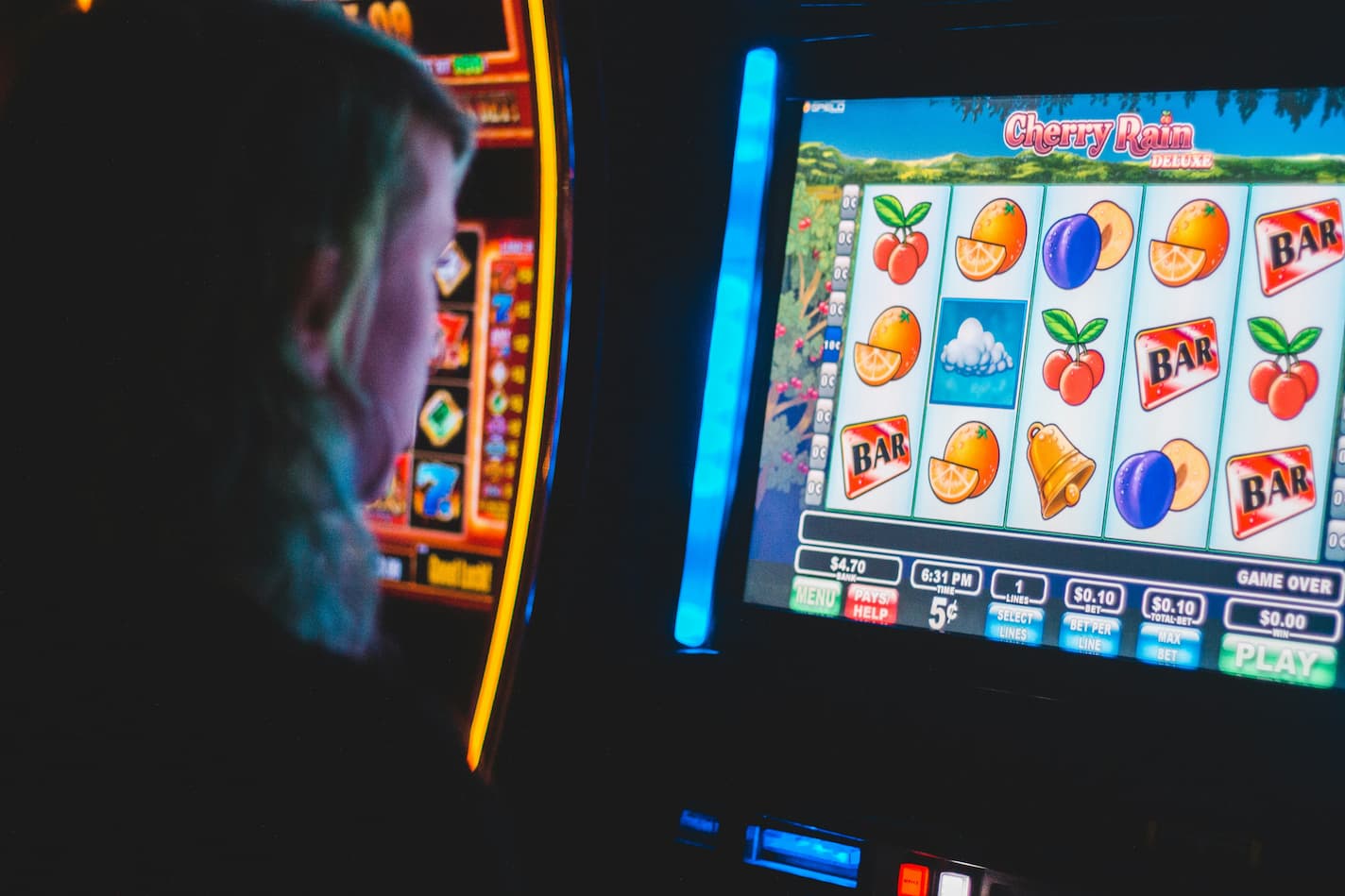
There has always been more to betting than just money. It is an intensely emotional event that is full of suspense, excitement, and heartbreaking disappointment. Gamers keep coming back for the thrill of winning and the pain of losing. Even with sites like 20Bet making betting easier, the true story is their passion. Gaining insight into this emotional cycle might help one better understand human psychology and the allure of gambling.
The Hurry of Winning
The rush of winning a wager is unmatched by anything else. A rush of euphoria is produced when the brain releases dopamine, the same chemical linked to pleasure and reward. Not only does this rush of excitement feel wonderful right away, but it also makes gamers want to do it again. Even when reason tells them to quit, the prospect of winning again becomes so alluring that it keeps bettors going.
The Anguish of the Departure
Conversely, it usually feels far worse to lose a wager than it does to win. This propensity for people to attach greater emotional weight to losses than to gains is known as “loss aversion” by psychologists. Many bettors seek their money back in the hopes that the next round will turn their luck around because losing hurts. Ironically, this quest frequently results in even bigger losses, adding to the emotional turbulence that characterizes gambling.
Why We Continue to Pursue

A common human drive—the need for control in unpredictable circumstances—is tapped into by the cycle of highs and lows. By analyzing statistics, selecting favorites, or relying on intuition, betting creates the appearance of influence. Players think they can beat the odds, even when luck is the decisive factor. Because they are persuaded that the next wager might be different, this idea keeps them interested.
The Function of Close Calls
The potency of the near miss is another factor that keeps bettors interested. The brain reacts almost the same way to coming close to winning as it does to winning, which increases the thrill and motivates more bets. This psychological ploy is used by slot machines, sports wagers, and even live betting to keep gamblers interested long after they might otherwise give up.
The Effect of Technology
The rollercoaster is now more accessible than ever thanks to mobile apps and internet platforms. Players can experience continuous emotional highs and lows throughout a single game thanks to real-time betting and microbets. Excitation goes up, but it also raises the risk of snap decisions and emotional overinvestment. Responsible play is more important than ever because technology has intensified the emotional roller coaster.
In summary, betting is an emotional journey filled with both shattering lows and skyrocketing highs, making it more than just a financial activity. The thrill of winning and the pain of losing draw fans back. They hope the next bet could change everything. Grasping the psychology behind this rollercoaster is key. It helps balance excitement with responsibility. As platforms get smarter, betting will be faster and more complex.